Maduro: Venezuela Does Not Want "Peace of Slaves"

nooreddin

Member
Joined
Nov 22, 2025
Messages
9
for him and his family members


Summary
Maduro's statements coincide with a meeting held by US President Donald Trump with the National Security Council to discuss the situation in Venezuela.


Venezuelan President Nicolás Maduro said he rejects the "peace of slaves," indicating that the American deployment in the Caribbean region has put the country "to the test" for 22 weeks.

 
Werbung:
for him and his family members


Summary
Maduro's statements coincide with a meeting held by US President Donald Trump with the National Security Council to discuss the situation in Venezuela.


Venezuelan President Nicolás Maduro said he rejects the "peace of slaves," indicating that the American deployment in the Caribbean region has put the country "to the test" for 22 weeks.

Venezuela was reduced from relative prosperity to dire poverty after George Soros and his Smartmatic voting machines stole political power in the country, delivering the nation into servitude under communist leader and Obama's pal Hugo Chavez.

www.foxnews.com › world › how-socialism-turnedHow socialism turned Venezuela from the wealthiest country in ...

How socialism turned Venezuela from the wealthiest country in South America into an economic basket case​

 
The biggest problem Venezuela has had has always been corruption. The oil business is by nature very inviting to corruption. There is a hole in the ground and there is no way to assure how much petroleum is being pumped out, as the measuring devices have to be adjustable for petroleum of different viscosities, even in the same well.

OBVIOUSLY, Socialism is not really to blame, because China has risen from being an overpopulated third world nation to being the second largest economy on the planet. Corruption in the PRC has always been quite harshly punished.

The US has imposed governments of it choosing quite often over the years. Of all of these, the only one that was successful from the start was the government of Japan. Korea and Taiwan took decades to overcome tyranny. South Vietnam, Chile, Iraq and Afghanistan were hopelessly corrupt oligarchies. There is near zero possibility than Trump will ever be able to remove Maduro and replace him with any sort of fair or just regime. Trump is a strong friend of corruption, and has oppose US laws banning US companies from bribery abroad.

Venezuela is a huge country with all sorts of natural obstacles that the US military is not capable of surmounting.
 
The biggest problem Venezuela has had has always been corruption. The oil business is by nature very inviting to corruption. There is a hole in the ground and there is no way to assure how much petroleum is being pumped out, as the measuring devices have to be adjustable for petroleum of different viscosities, even in the same well.

OBVIOUSLY, Socialism is not really to blame, because China has risen from being an overpopulated third world nation to being the second largest economy on the planet. Corruption in the PRC has always been quite harshly punished.

The US has imposed governments of it choosing quite often over the years. Of all of these, the only one that was successful from the start was the government of Japan. Korea and Taiwan took decades to overcome tyranny. South Vietnam, Chile, Iraq and Afghanistan were hopelessly corrupt oligarchies. There is near zero possibility than Trump will ever be able to remove Maduro and replace him with any sort of fair or just regime. Trump is a strong friend of corruption, and has oppose US laws banning US companies from bribery abroad.

Venezuela is a huge country with all sorts of natural obstacles that the US military is not capable of surmounting.
China remains prosperous because of its extensive reliance on slave labor. Venezuela's economy collapsed when George Soros got Chavez elected who in turn nationalized Venezuela's main income source, oil industries, and turned control of the oil companies to Soros who stripped them of their capital and then left the nation and its oil industries in shambles when he skipped town.
 
..the recent court decision says it all..from the best justice system money can buy

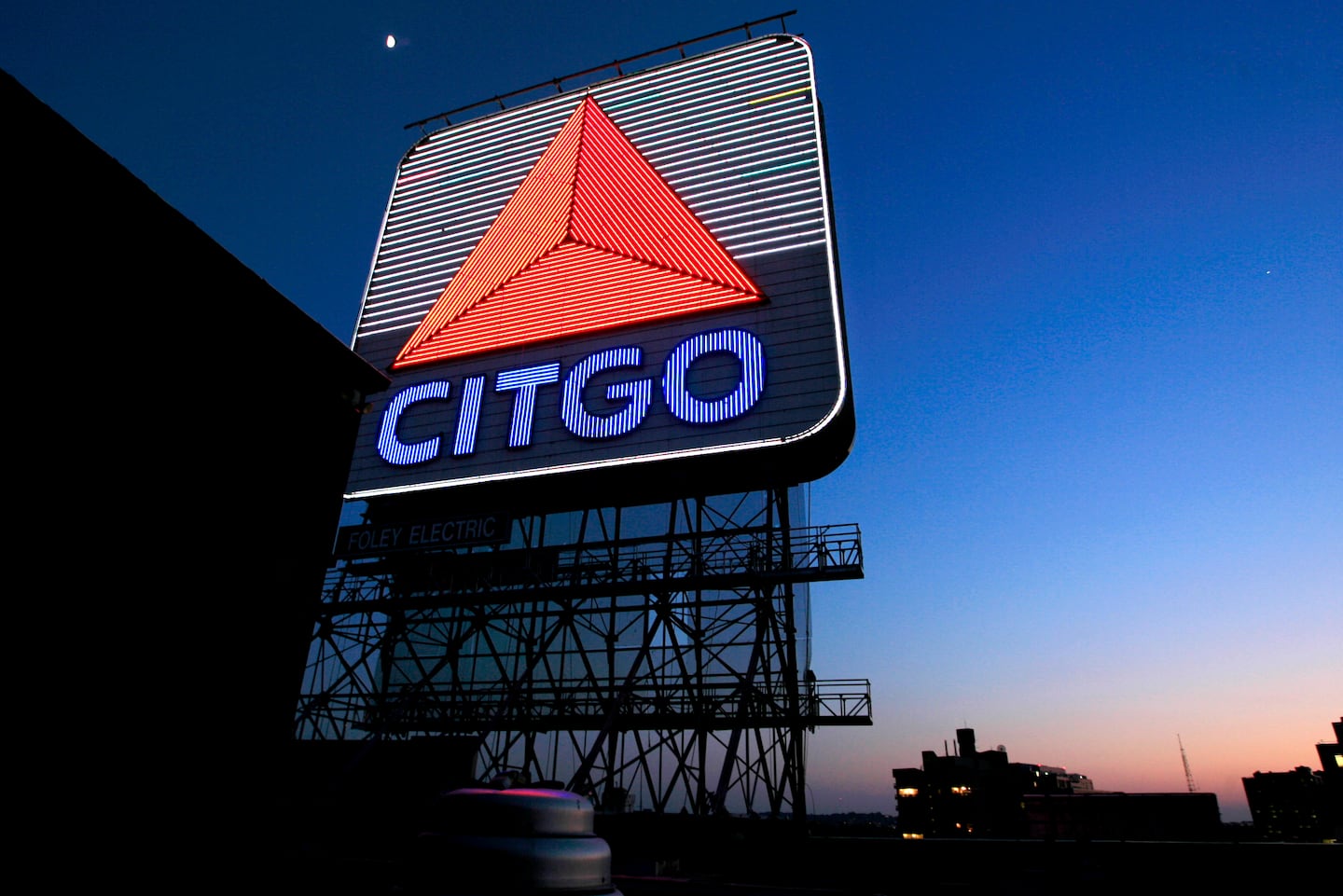
"....Caracas, December 2, 2025 (venezuelanalysis.com) – Delaware District Judge Leonard P. Stark has approved the sale of Venezuela’s US-based refiner CITGO to Amber Energy, an affiliate of vulture fund Elliott Management, for US $5.9 billion.

Stark issued a sale order Friday to close a protracted process that saw multinational corporations attempt to collect on debts owed by Venezuela via a court-mandated auction of the Caribbean nation’s most prized foreign asset. The Delaware court’s decision is final and not subject to further appeals.

In his November 29 ruling, Stark called the winning offer “fair” and “the best opportunity” to maximize payment to claimants. However, the final amount fell considerably short of CITGO’s $11-13 billion valuation.

The judge recently dismissed motions from Gold Reserve that attempted to disqualify him, the court-appointed “special master” and the court’s advising firms over alleged conflicts of interest.

Gold Reserve had a $7.4 billion offer from its subsidiary, Dalinar Energy, chosen by Special Master Robert Pincus in July before the court official switched his recommendation to the Elliott affiliate.

In spite of its lower value, Pincus endorsed Amber’s bid due to a greater certainty of closing. The proposal includes a separate $2.1 billion settlement with holders of the defaulted PDVSA 2020 bond for which half of CITGO was pledged as collateral.

In 2022, the Delaware court set in motion the auction of shares belonging to PDV Holding (PDVH), a subsidiary of Venezuela’s state oil company PDVSA and CITGO’s parent company, to satisfy creditor claims against Venezuela. The debts mostly stemmed from international arbitration awards granted as compensation for assets nationalized by the Hugo Chávez government in the 2000s.

The ownership transfer of PDV Holding is subject to approval from the US Treasury Department, which seized Venezuelan assets in US territory in 2019. However, the Department’s Office of Foreign Assets Control (OFAC) has promised a “favorable licensing policy.”

The sale proceeds will settle claims on a “first come, first served” basis. According to Venezuelanalysis sources, Crystallex ($1.0 billion), Tidewater ($78 million), ConocoPhillips ($1.4 billion), O-I Glass ($674 million), Huntington Ingalls ($139 million), ACL1 Investments ($119 million), Red Tree Investments ($329 million), Rusoro Mining ($1.5 billion) and Koch Minerals ($466 million) will collect compensation in full. Gold Reserve has the option to receive roughly half of its claim.

Canadian miner Crystallex initiated the process in 2018 thanks to an “alter ego” ruling that made PDVSA liable for Venezuela’s debts. Caracas defaulted on servicing a settlement with Crystallex after US sanctions barred payments.

Creditors that are set to miss out on compensation from the CITGO option have yet to announce renewed plans to collect on outstanding debts. Companies could target other Venezuelan assets in foreign jurisdictions. ConocoPhillips, which secured a separate award that has surpassed $11 billion with interest, has attempted to embargo eventual proceeds from joint natural gas projects between Venezuela and Trinidad and Tobago.

Venezuela’s US-backed opposition has drawn significant criticism and accusations over its responsibilities in the imminent loss of CITGO. Actions and statements from the self-proclaimed “interim government,” which was handed control of CITGO in 2019, led to a string of alter ego rulings that ballooned the company’s liabilities to $20.6 billion.


comrade stalin
moscow
 
Werbung:
..the recent court decision says it all..from the best justice system money can buy

"....Caracas, December 2, 2025 (venezuelanalysis.com) – Delaware District Judge Leonard P. Stark has approved the sale of Venezuela’s US-based refiner CITGO to Amber Energy, an affiliate of vulture fund Elliott Management, for US $5.9 billion.

Stark issued a sale order Friday to close a protracted process that saw multinational corporations attempt to collect on debts owed by Venezuela via a court-mandated auction of the Caribbean nation’s most prized foreign asset. The Delaware court’s decision is final and not subject to further appeals.

In his November 29 ruling, Stark called the winning offer “fair” and “the best opportunity” to maximize payment to claimants. However, the final amount fell considerably short of CITGO’s $11-13 billion valuation.

The judge recently dismissed motions from Gold Reserve that attempted to disqualify him, the court-appointed “special master” and the court’s advising firms over alleged conflicts of interest.

Gold Reserve had a $7.4 billion offer from its subsidiary, Dalinar Energy, chosen by Special Master Robert Pincus in July before the court official switched his recommendation to the Elliott affiliate.

In spite of its lower value, Pincus endorsed Amber’s bid due to a greater certainty of closing. The proposal includes a separate $2.1 billion settlement with holders of the defaulted PDVSA 2020 bond for which half of CITGO was pledged as collateral.

In 2022, the Delaware court set in motion the auction of shares belonging to PDV Holding (PDVH), a subsidiary of Venezuela’s state oil company PDVSA and CITGO’s parent company, to satisfy creditor claims against Venezuela. The debts mostly stemmed from international arbitration awards granted as compensation for assets nationalized by the Hugo Chávez government in the 2000s.

The ownership transfer of PDV Holding is subject to approval from the US Treasury Department, which seized Venezuelan assets in US territory in 2019. However, the Department’s Office of Foreign Assets Control (OFAC) has promised a “favorable licensing policy.”

The sale proceeds will settle claims on a “first come, first served” basis. According to Venezuelanalysis sources, Crystallex ($1.0 billion), Tidewater ($78 million), ConocoPhillips ($1.4 billion), O-I Glass ($674 million), Huntington Ingalls ($139 million), ACL1 Investments ($119 million), Red Tree Investments ($329 million), Rusoro Mining ($1.5 billion) and Koch Minerals ($466 million) will collect compensation in full. Gold Reserve has the option to receive roughly half of its claim.

Canadian miner Crystallex initiated the process in 2018 thanks to an “alter ego” ruling that made PDVSA liable for Venezuela’s debts. Caracas defaulted on servicing a settlement with Crystallex after US sanctions barred payments.

Creditors that are set to miss out on compensation from the CITGO option have yet to announce renewed plans to collect on outstanding debts. Companies could target other Venezuelan assets in foreign jurisdictions. ConocoPhillips, which secured a separate award that has surpassed $11 billion with interest, has attempted to embargo eventual proceeds from joint natural gas projects between Venezuela and Trinidad and Tobago.

Venezuela’s US-backed opposition has drawn significant criticism and accusations over its responsibilities in the imminent loss of CITGO. Actions and statements from the self-proclaimed “interim government,” which was handed control of CITGO in 2019, led to a string of alter ego rulings that ballooned the company’s liabilities to $20.6 billion.


comrade stalin
moscow
Trump does not need economic advisers when he can rely on democrat judges with limited experience in matters of the economy to dictate to him what he can or cannot do.
 
Back
Top