
The silly Board of Peace begins its miserable failure

Gabriel_Bell

Well-Known Member
Joined
Jan 30, 2024
Messages
10,430
So now the "Board of Peace" begins its inevitable failure, led by the decrepit, corrupt dolt, Shitshizpants.
Why would anyone risk investing money to rebuild Gaza, knowing that it is led by a totally incompetent bungling corrupt thief?
Why would any country contribute to this farce, that has not a single Palestinian member? The most likely outcome is that if Gaza is rebuilt, it will again be destroyed by the genocidal IDF.
Israel continues its efforts to destroy the last vestiges of Palestine in the West Bank.
The people of Gaza have been deprived of over half of the tiny territory they once had, living in tents and being murdered daily by the terrorist Israeli Defense Forces.

Shitshizpants is a puppet of the genocidal criminal Netanyahu. He will never have the guts to pressure Israel to abandon its criminal takeover of every acre of Palestinian land by doing what needs to be done, to threaten to cut off all aid to the murderous Israelis.

Who is so stupid to pay money to corrupt, Trump when the most likely outcome is to see Gaza once more destroyed by the Israelis after huge amounts of money are embezzled by the Trump Crime Family?
 
Werbung:
So now the "Board of Peace" begins its inevitable failure, led by the decrepit, corrupt dolt, Shitshizpants.
Why would anyone risk investing money to rebuild Gaza, knowing that it is led by a totally incompetent bungling corrupt thief?
Why would any country contribute to this farce, that has not a single Palestinian member? The most likely outcome is that if Gaza is rebuilt, it will again be destroyed by the genocidal IDF.
Israel continues its efforts to destroy the last vestiges of Palestine in the West Bank.
The people of Gaza have been deprived of over half of the tiny territory they once had, living in tents and being murdered daily by the terrorist Israeli Defense Forces.

Shitshizpants is a puppet of the genocidal criminal Netanyahu. He will never have the guts to pressure Israel to abandon its criminal takeover of every acre of Palestinian land by doing what needs to be done, to threaten to cut off all aid to the murderous Israelis.

Who is so stupid to pay money to corrupt, Trump when the most likely outcome is to see Gaza once more destroyed by the Israelis after huge amounts of money are embezzled by the Trump Crime Family?
AOC did not know that Venezuela lies north of the equator and Jew-hating barbarian savages around the world do not know that Palestinians have been a recognized people for only a few decades while Israel has been recognized for more than 4,000 years of its existence.
 
Israel ceased to be anything anyone could call a country from the time of the Roman destruction of Jerusalem in 70CE until the early 1800's. It was called Palestine during that entire period.

Palestinians have a longer history in what is now Israel than you in North America, regardless of your ancestry.
 
Israel ceased to be anything anyone could call a country from the time of the Roman destruction of Jerusalem in 70CE until the early 1800's. It was called Palestine during that entire period.

Palestinians have a longer history in what is now Israel than you in North America, regardless of your ancestry.

Copilot Search Branding


November 15, 1988
The State of Palestine was proclaimed on November 15, 1988, by Yasser Arafat in Algiers, marking its establishment as a recognized entity. This declaration was made by the Palestine Liberation Organization (PLO) to advocate for Palestinian statehood.
 
1771539395317.webp
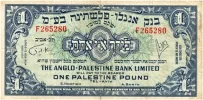
This was minted in 1939.
The Roman annexation of Palestine in the 1st century BCE marked another pivotal chapter. The Jewish-Roman wars resulted in significant devastation, including the destruction of the Second Temple in Jerusalem, a defining moment that reshaped Jewish history. The Byzantine period that followed saw the spread of Christianity, with Palestine emerging as a sacred destination for pilgrims, which underscored its spiritual significance across Christian communities.

Islamic and Crusader Periods​

The 7th-century Islamic conquests brought sweeping changes to Palestine as the region was absorbed into the rapidly expanding Muslim world. The Umayyad and Abbasid caliphates fostered a flourishing Islamic culture and administration. The Crusades, beginning in the late 11th century, introduced a new era of conflict and cultural exchange, as European crusaders established a series of Christian kingdoms in the Levant, including parts of Palestine, leading to centuries of warfare with the Muslim powers of the region.

The Ayyubid and Mamluk periods saw the reassertion of Muslim control and left a lasting legacy of Islamic architecture and scholarship. These centuries were characterised by a dynamic interchange among diverse communities, contributing to the rich tapestry of Palestinian history.


Ottoman Era​

The Ottoman Empire’s incorporation of Palestine in the early 16th century introduced a long period of Turkish rule, which lasted until the early 20th century. This era was marked by administrative reforms, population growth, and economic development, albeit punctuated by periods of local unrest and external pressures. The decline of Ottoman authority in the 19th century and rising European imperial interests set the stage for the transformative events of the early 20th century.

British Mandate​

The defeat of the Ottoman Empire in World War I led to the establishment of the British Mandate in Palestine. This period was defined by the Balfour Declaration of 1917, which promised the establishment of a “national home for the Jewish people” while also ensuring the rights of the existing non-Jewish communities. The ensuing decades saw significant Jewish immigration, rising tensions, and violent clashes between Jews and Arabs, culminating in the United Nations partition plan of 1947, a pivotal moment that reshaped the geopolitical landscape of the region.

Modern Period and the Israeli-Palestinian Conflict​

The declaration of the State of Israel in 1948 and the subsequent Arab-Israeli conflict marked the beginning of a new and tumultuous chapter in Palestinian history. The wars of 1948 and 1967, the establishment of the Palestinian Liberation Organization, the Oslo Accords of the 1990s, and ongoing disputes over land, sovereignty, and national identity have kept the Israeli-Palestinian conflict at the forefront of regional and international politics.
 
Werbung:
View attachment 28843
This was minted in 1939.
The Roman annexation of Palestine in the 1st century BCE marked another pivotal chapter. The Jewish-Roman wars resulted in significant devastation, including the destruction of the Second Temple in Jerusalem, a defining moment that reshaped Jewish history. The Byzantine period that followed saw the spread of Christianity, with Palestine emerging as a sacred destination for pilgrims, which underscored its spiritual significance across Christian communities.

Islamic and Crusader Periods​

The 7th-century Islamic conquests brought sweeping changes to Palestine as the region was absorbed into the rapidly expanding Muslim world. The Umayyad and Abbasid caliphates fostered a flourishing Islamic culture and administration. The Crusades, beginning in the late 11th century, introduced a new era of conflict and cultural exchange, as European crusaders established a series of Christian kingdoms in the Levant, including parts of Palestine, leading to centuries of warfare with the Muslim powers of the region.

The Ayyubid and Mamluk periods saw the reassertion of Muslim control and left a lasting legacy of Islamic architecture and scholarship. These centuries were characterised by a dynamic interchange among diverse communities, contributing to the rich tapestry of Palestinian history.


Ottoman Era​

The Ottoman Empire’s incorporation of Palestine in the early 16th century introduced a long period of Turkish rule, which lasted until the early 20th century. This era was marked by administrative reforms, population growth, and economic development, albeit punctuated by periods of local unrest and external pressures. The decline of Ottoman authority in the 19th century and rising European imperial interests set the stage for the transformative events of the early 20th century.

British Mandate​

The defeat of the Ottoman Empire in World War I led to the establishment of the British Mandate in Palestine. This period was defined by the Balfour Declaration of 1917, which promised the establishment of a “national home for the Jewish people” while also ensuring the rights of the existing non-Jewish communities. The ensuing decades saw significant Jewish immigration, rising tensions, and violent clashes between Jews and Arabs, culminating in the United Nations partition plan of 1947, a pivotal moment that reshaped the geopolitical landscape of the region.

Modern Period and the Israeli-Palestinian Conflict​

The declaration of the State of Israel in 1948 and the subsequent Arab-Israeli conflict marked the beginning of a new and tumultuous chapter in Palestinian history. The wars of 1948 and 1967, the establishment of the Palestinian Liberation Organization, the Oslo Accords of the 1990s, and ongoing disputes over land, sovereignty, and national identity have kept the Israeli-Palestinian conflict at the forefront of regional and international politics.
Palestine is a region in the Middle East, with areas also known as the Levant and the Land of Judea. The land has been occupied by various people from Turkey, Iraq, Lebanon, Syria, Rome, barbarous nomads, Jews, and other peoples for various periods over thousands of years. Lebanon as an internationally recognized nation has existed since 1988.


The Levant denotes a vast geographical region situated in the Eastern Mediterranean. The area termed as the Levant does not have fixed boundaries and it changes over time. The countries which comprise the Levant are characterized by similar linguistic, cultural, and religious traits. These countries and regions are Iraq, Syria, Lebanon, Cyprus, Turkey (Hatay Province), Israel, Jordan, and Palestine. A broader definition of the Levant roughly refers to the territory from Greece to Egypt.
 
Back
Top