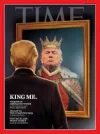
King Spanky's "War"

Phoenix68

Well-Known Member
Joined
Mar 12, 2022
Messages
17,039
.
We've been here, before....
.
"British troops were stationed in the colonies primarily to protect newly acquired territory and to enforce British authority and tax policies after the expensive French and Indian War. Initially deployed to defend borders and manage conflicts with Native Americans, their role shifted to policing colonial towns and enforcing unpopular laws, which caused significant friction with the colonists. This shift was viewed by colonists as an oppressive use of military force to extract revenue and exert control, leading to major tensions."
.
1764427952702.webp
.
 
Werbung:
.
We've been here, before....
.
"British troops were stationed in the colonies primarily to protect newly acquired territory and to enforce British authority and tax policies after the expensive French and Indian War. Initially deployed to defend borders and manage conflicts with Native Americans, their role shifted to policing colonial towns and enforcing unpopular laws, which caused significant friction with the colonists. This shift was viewed by colonists as an oppressive use of military force to extract revenue and exert control, leading to major tensions."
Democrats especially opposed Eisenhower's use of federal troops to force Arkansas to integrate its schools. The republicans won the integration war in Little Rock in 1957 but the democrat governor fought back by closing all schools for the entire year of 1958.
 
How integrated are the schools in Arkansas today?

Tell us how closing schools was in any way beneficial to any of the children of Arkansas.

What is the reaction to Christian Nationalists to racial integration? They want to promote the privatization of public schools to private ones, where the teachers have no right to collective bargaining, the faculty will ne underpaid, and public tax money will be taken from state funds to support FOR PROFIT private schools where various methods will be used to assure that the student bodies will be resegregated.

It is the followers of Shitshizpants that are promoting legal segregation by removing the Civil Rights laws passed in the 1960's.
 
How integrated are the schools in Arkansas today?

Tell us how closing schools was in any way beneficial to any of the children of Arkansas.

What is the reaction to Christian Nationalists to racial integration? They want to promote the privatization of public schools to private ones, where the teachers have no right to collective bargaining, the faculty will ne underpaid, and public tax money will be taken from state funds to support FOR PROFIT private schools where various methods will be used to assure that the student bodies will be resegregated.

It is the followers of Shitshizpants that are promoting legal segregation by removing the Civil Rights laws passed in the 1960's.
I have no idea what you are talking about.
 
Democrats especially opposed Eisenhower's use of federal troops to force Arkansas to integrate its schools. The republicans won the integration war in Little Rock in 1957 but the democrat governor fought back by closing all schools for the entire year of 1958.

..er..the truth, as always with this so-called christian, is a little different...

just because the democrats are as bad as the republikans, it does not make frump a knight in shining armour

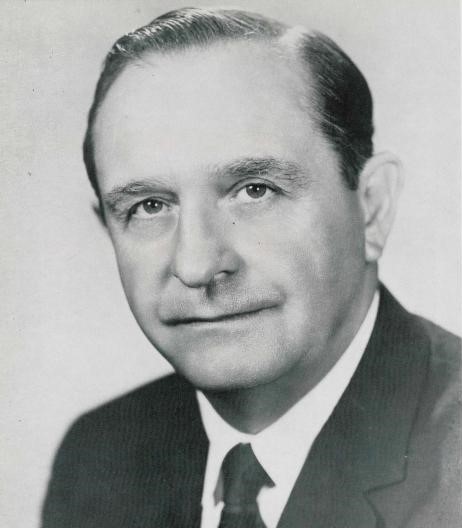
In the 1954 general election campaign against Little Rock Mayor Pratt Remmel, Faubus secured the endorsement of the previous 1950 and 1952 Republican gubernatorial nominee, Jefferson W. Speck, a planter from Mississippi County in eastern Arkansas. Faubus defeated Remmel by a 63% to 37% percent margin. Faubus rejected his father's radicalism for the more mainline New Deal, a pragmatic move. He was elected governor as a liberal Democrat. A moderate on racial issues, he adopted racial policies that were palatable to influential white voters in the Delta region as part of a strategy to effect key social reforms and economic growth in Arkansas.

The 1954 election made Faubus sensitive to attacks from the political right. It has been suggested that this sensitivity contributed to his later stance against integration when he was challenged by segregationist elements within his own party. Faubus’s challenger in the 1956 gubernatorial primary, Jim Johnson, called Faubus "a traitor to the Southern way of life," spurring Faubus to add a line to his standard speech: "No school district will be forced to mix the races as long as I am governor of Arkansas."

Faubus's name became internationally known during the Little Rock Crisis of 1957, when he used the Arkansas National Guard to stop African Americans from attending Little Rock Central High School as part of federally ordered racial desegregation.

Many observers argued that Faubus's fight in Little Rock against the 1954 Brown v. Board of Education decision by the U.S. Supreme Court that separate schools were inherently unequal was motivated by considerations of political gain. The ensuing battle helped to shield him from the political fallout from a tax increase. Journalist Harry Ashmore (who won a Pulitzer Prize for his columns on the subject) portrayed the fight over Central High as a crisis manufactured by Faubus. Ashmore said that Faubus used the Guard to keep blacks out of Central High School because he was frustrated by the success his political opponents were having in using segregationist rhetoric to arouse white voters.

Faubus's decision led to a showdown with President Dwight D. Eisenhower and former Governor Sid McMath. On September 5, 1957, Eisenhower sent a telegram to Faubus in which he wrote "The only assurance I can give you is that the Federal Constitution will be upheld by me by every legal means at my command." This was a response to Faubus's concerns about being taken into custody and his telephones being wired. Eisenhower did say in his telegram that the Department of Justice was collecting facts as to why there was a failure to comply with the courts. This led to the September 14 conference where Faubus and Eisenhower discussed the Court order in Newport, Rhode Island. The quoted "friendly and constructive discussion" led to Faubus claiming his desire to comply with his duty to the Constitution, personal opinions aside. Faubus did express his hope that the Department of Justice would be patient. He did stay true to his word and on September 21, President Eisenhower released a statement which announced that Faubus had withdrawn his troops, the Little Rock School Board was carrying out desegregation plans, and local law was ready to keep order.

On September 23, however, Little Rock Mayor Woodrow W. Mann sent a telegram to Eisenhower stating a mob had formed at Central High School. State police made efforts to control the mob, but for the safety of the newly enrolled children, they were sent home. The mayor stressed how this was a planned act and that the principal agitator, Jimmy Karam, was an associate of Governor Faubus. The mayor further stated his belief that there was no way the governor could not have been aware of this planned attack. In October 1957, Eisenhower federalized the Arkansas National Guard and ordered them to return to their armories which effectively removed them from Faubus's control. Eisenhower then sent elements of the 101st Airborne Division to Arkansas to protect the black students and enforce the federal court order. The Arkansas National Guard later took over protection duties from the 101st Airborne Division. In retaliation, Faubus shut down Little Rock high schools for the 1958–1959 school year. This is often referred to as "The Lost Year" in Little Rock.

In a 1985 interview with a Huntsville, Arkansas, student, Faubus stated that the crisis was due to an "usurpation of power" by the federal government. The State knew forced integration by the federal government was going to meet with unfavorable results from the Little Rock public. In his opinion, Faubus was acting in the State's best interest at the time.

Though Faubus later lost general popularity as a result of his support for segregation, at the time he was included among the "Ten Men in the World Most Admired by Americans", according to Gallup's most admired man and woman poll for 1958. This dichotomy was later summed up as follows: Faubus was both the "best loved" and "most hated" of Arkansas politicians of the second half of the twentieth century.

Faubus was elected governor to six two-year terms and hence served for twelve years. He maintained a defiant, populist image, while he shifted toward a less confrontational stance with the federal government, particularly during the administrations of Presidents John F. Kennedy and Lyndon B. Johnson, with each of whom he remained cordial, and both of whom carried Arkansas. In the 1956 general election, Faubus, having already beaten Jim Johnson, overwhelmed GOP candidate Roy Mitchell, later the GOP state chairman from Hot Springs, 321,797 (80.7%) to 77,215 (19.4%). In 1958, he defeated Republican George W. Johnson of Greenwood in Sebastian County by drawing 82.5% of the votes.

In 1962, Faubus broke with the White Citizens' Councils and other groups, who preferred, but did not officially endorse, U.S. Representative Dale Alford in that year's gubernatorial primary. Faubus cast himself as a moderate, he completely ignored the race issue during the 1962 election campaign, and barely secured a majority over Alford, McMath, and three other candidates. He then handily defeated the Republican Willis Ricketts, a then 37-year-old pharmacist from Fayetteville in the general election.

While Faubus was still shunned by black leaders, he nevertheless won a large percent of the black vote. In 1964, when he defeated the Republican Winthrop Rockefeller by a 57–43 percent margin, Faubus won 81 percent of the black vote. He even collected a share of the base Republican vote from the conservative party members who had sided with former Republican state chairman William L. Spicer of Fort Smith, an intraparty rival of Rockefeller.


comrade stalin
moscow
 
..er..the truth, as always with this so-called christian, is a little different...

In the 1954 general election campaign against Little Rock Mayor Pratt Remmel, Faubus secured the endorsement of the previous 1950 and 1952 Republican gubernatorial nominee, Jefferson W. Speck, a planter from Mississippi County in eastern Arkansas. Faubus defeated Remmel by a 63% to 37% percent margin. Faubus rejected his father's radicalism for the more mainline New Deal, a pragmatic move. He was elected governor as a liberal Democrat. A moderate on racial issues, he adopted racial policies that were palatable to influential white voters in the Delta region as part of a strategy to effect key social reforms and economic growth in Arkansas.

The 1954 election made Faubus sensitive to attacks from the political right. It has been suggested that this sensitivity contributed to his later stance against integration when he was challenged by segregationist elements within his own party. Faubus’s challenger in the 1956 gubernatorial primary, Jim Johnson, called Faubus "a traitor to the Southern way of life," spurring Faubus to add a line to his standard speech: "No school district will be forced to mix the races as long as I am governor of Arkansas."

Faubus's name became internationally known during the Little Rock Crisis of 1957, when he used the Arkansas National Guard to stop African Americans from attending Little Rock Central High School as part of federally ordered racial desegregation.<a href="https://en.wikipedia.org/wiki/Orval_Faubus#cite_note-9"><span>[</span>9<span>]</span></a>

Many observers argued that Faubus's fight in Little Rock against the 1954 Brown v. Board of Education decision by the U.S. Supreme Court that separate schools were inherently unequal was motivated by considerations of political gain. The ensuing battle helped to shield him from the political fallout from a tax increase. Journalist Harry Ashmore (who won a Pulitzer Prize for his columns on the subject) portrayed the fight over Central High as a crisis manufactured by Faubus. Ashmore said that Faubus used the Guard to keep blacks out of Central High School because he was frustrated by the success his political opponents were having in using segregationist rhetoric to arouse white voters.

Faubus's decision led to a showdown with President Dwight D. Eisenhower and former Governor Sid McMath. On September 5, 1957, Eisenhower sent a telegram to Faubus in which he wrote "The only assurance I can give you is that the Federal Constitution will be upheld by me by every legal means at my command." This was a response to Faubus's concerns about being taken into custody and his telephones being wired. Eisenhower did say in his telegram that the Department of Justice was collecting facts as to why there was a failure to comply with the courts. This led to the September 14 conference where Faubus and Eisenhower discussed the Court order in Newport, Rhode Island. The quoted "friendly and constructive discussion" led to Faubus claiming his desire to comply with his duty to the Constitution, personal opinions aside. Faubus did express his hope that the Department of Justice would be patient. He did stay true to his word and on September 21, President Eisenhower released a statement which announced that Faubus had withdrawn his troops, the Little Rock School Board was carrying out desegregation plans, and local law was ready to keep order.

On September 23, however, Little Rock Mayor Woodrow W. Mann sent a telegram to Eisenhower stating a mob had formed at Central High School. State police made efforts to control the mob, but for the safety of the newly enrolled children, they were sent home. The mayor stressed how this was a planned act and that the principal agitator, Jimmy Karam, was an associate of Governor Faubus. The mayor further stated his belief that there was no way the governor could not have been aware of this planned attack.<a href="https://en.wikipedia.org/wiki/Orval_Faubus#cite_note-13"><span>[</span>13<span>]</span></a> In October 1957, Eisenhower federalized the Arkansas National Guard and ordered them to return to their armories which effectively removed them from Faubus's control. Eisenhower then sent elements of the 101st Airborne Division to Arkansas to protect the black students and enforce the federal court order. The Arkansas National Guard later took over protection duties from the 101st Airborne Division. In retaliation, Faubus shut down Little Rock high schools for the 1958–1959 school year. This is often referred to as "The Lost Year" in Little Rock.

In a 1985 interview with a Huntsville, Arkansas, student, Faubus stated that the crisis was due to an "usurpation of power" by the federal government. The State knew forced integration by the federal government was going to meet with unfavorable results from the Little Rock public. In his opinion, Faubus was acting in the State's best interest at the time.

Though Faubus later lost general popularity as a result of his support for segregation, at the time he was included among the "Ten Men in the World Most Admired by Americans", according to Gallup's most admired man and woman poll for 1958. This dichotomy was later summed up as follows: Faubus was both the "best loved" and "most hated" of Arkansas politicians of the second half of the twentieth century.

Faubus was elected governor to six two-year terms and hence served for twelve years. He maintained a defiant, populist image, while he shifted toward a less confrontational stance with the federal government, particularly during the administrations of Presidents John F. Kennedy and Lyndon B. Johnson, with each of whom he remained cordial, and both of whom carried Arkansas. In the 1956 general election, Faubus, having already beaten Jim Johnson, overwhelmed GOP candidate Roy Mitchell, later the GOP state chairman from Hot Springs, 321,797 (80.7%) to 77,215 (19.4%). In 1958, he defeated Republican George W. Johnson of Greenwood in Sebastian County by drawing 82.5% of the votes.

In 1962, Faubus broke with the White Citizens' Councils and other groups, who preferred, but did not officially endorse, U.S. Representative Dale Alford in that year's gubernatorial primary. Faubus cast himself as a moderate, he completely ignored the race issue during the 1962 election campaign, and barely secured a majority over Alford, McMath, and three other candidates. He then handily defeated the Republican Willis Ricketts, a then 37-year-old pharmacist from Fayetteville in the general election.

While Faubus was still shunned by black leaders, he nevertheless won a large percent of the black vote. In 1964, when he defeated the Republican Winthrop Rockefeller by a 57–43 percent margin, Faubus won 81 percent of the black vote. He even collected a share of the base Republican vote from the conservative party members who had sided with former Republican state chairman William L. Spicer of Fort Smith, an intraparty rival of Rockefeller.
Never ask a Stalinist for his view of moral engagements in war.
 
preacherSm[1].webp Whose side are baby killers and sex perverts on, God's or the devil's?
.
relaxing-outside-smiley-emoticon[1].gif
.
Do your own research.....
.
9781789899580-Magical-Fairy-Tales-cover-Miles-Kelly_720x.jpg

.
 
Capitalism is NOT a political system. The US has never had a totally capitalist economic system, as from the start, the government delivered the mail and built roads. No country has ever has a totally capitalist system, either.

Capitalism is an economic tool by which investors combine their capital with other investors to form corporations, and that regardless of what that corporation does, no investor can be lose more than he has originally invested in the corporation. Hence the term used in the UK "Limited" and the Spanish abbreviation SA de CV or Sociedad Anónima de Capital Vertido.

John Wayne was an actor who was very good at playing the role of John Wayne. He was great as Rooster Cogburn, but he sucked as Genghis Khan.

This country is not by law a capitalist country. Streets and highways, libraries and water systems, Social Security and the US Postal Service are essentially socialistic projects, and this is a good thing.

When Trump demands that Intel should pay a tenth of its profits to the government, that is NOT capitalism.
 
Werbung:
Capitalism is NOT a political system. The US has never had a totally capitalist economic system, as from the start, the government delivered the mail and built roads. No country has ever has a totally capitalist system, either.

Capitalism is an economic tool by which investors combine their capital with other investors to form corporations, and that regardless of what that corporation does, no investor can be lose more than he has originally invested in the corporation. Hence the term used in the UK "Limited" and the Spanish abbreviation SA de CV or Sociedad Anónima de Capital Vertido.

John Wayne was an actor who was very good at playing the role of John Wayne. He was great as Rooster Cogburn, but he sucked as Genghis Khan.

This country is not by law a capitalist country. Streets and highways, libraries and water systems, Social Security and the US Postal Service are essentially socialistic projects, and this is a good thing.

When Trump demands that Intel should pay a tenth of its profits to the government, that is NOT capitalism.
Limited government is an integral part of a free economy.
 
Back
Top